
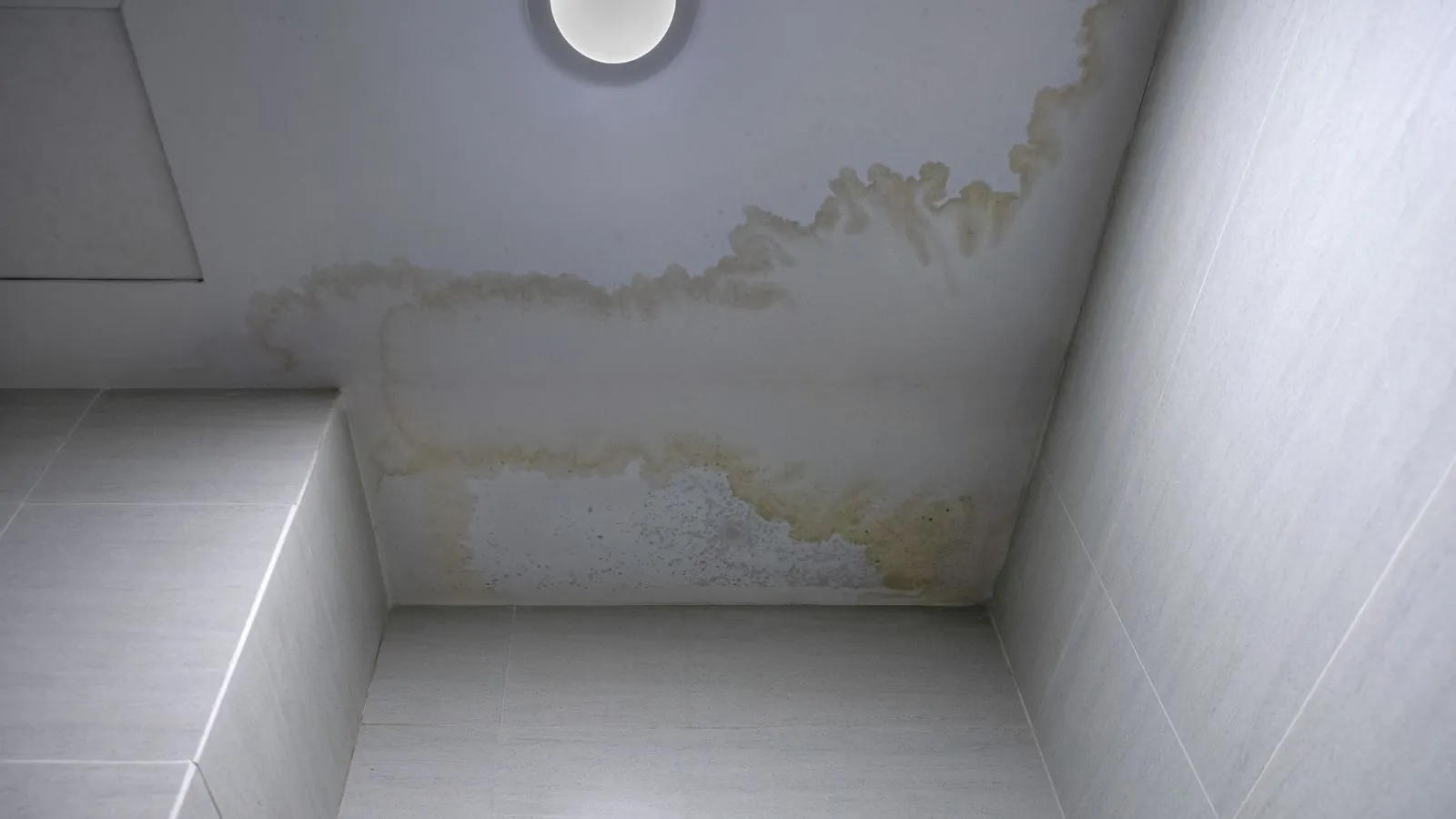
Commercial water damage means a business that cannot open
Commercial water damage restoration is the cleanup and drying of stores, offices, restaurants, apartment buildings and other non-residential properties after a leak, flood or sprinkler discharge. In Johnstown, PA the 24/7 line answers commercial calls every day of the year. If water is flowing, shut off the water supply to the building or the affected zone, protect inventory and records and call us.
A manager should also notify the building owner and insurer promptly. Time matters more when employees, tenants and customers are affected.
When a commercial leak is an emergency
A flooded retail floor, a burst line in an occupied office or water in a restaurant kitchen is urgent because each day closed is lost revenue. Storm and freezing damage tends to strike overnight or on weekends when the building is empty, so the line stays open after hours, with same-day response offered based on crew availability.
If water has reached electrical equipment, panels or elevators, call 911 or the utility and do not enter the area. Fire alarm and sprinkler systems should be handled by qualified personnel.
Business closed by water? Call the dispatch line now.
☎ (814) 358-8169Not sure this is the right page? Call and describe what you see.
☎ (814) 358-8169Residential versus commercial water damage
Larger buildings change the plan in several ways.
| Issue | Typical home | Commercial property |
|---|---|---|
| Size and layout | A few rooms | Large open floors, multiple units, shared walls |
| Systems | Plumbing and appliances | Sprinklers, HVAC, roof drains, elevators and IT rooms |
| Downtime | Family displaced | Revenue and tenants affected |
| Paperwork | Homeowners claim | Business interruption and landlord coordination |
How the work is organized
The crew starts by stopping the water and protecting the most critical areas. They extract water from large floors with truck-mounted or large portable units, set up air movers and dehumidifiers across the space and map moisture on floors, walls and ceilings. Drying is staged so that part of the building can reopen as soon as readings allow.
Written scopes break the building into areas, so the owner, tenants and the insurer can see what is happening where. Photos and moisture logs are kept by area as well.
Johnstown businesses and flood history
Downtown Johnstown and the areas near the Stonycreek and Conemaugh rivers have seen flooding for more than a century, and commercial basements and ground floors are the first affected. The 1977 flood put the city under about six feet of water by dawn. Owners should check the FEMA flood map for their address and ask about flood and business interruption coverage.
Many commercial buildings in Johnstown are older masonry structures with basements that hold utilities. Plan for that when you write an emergency plan, and keep a shutoff diagram. For basement-level work, see basement water damage cleanup.
Multi-unit buildings and landlords
In apartment buildings, water moves between units through floors, walls and chases. A burst line in one unit can affect three others, and each has its own occupant and its own policy. The crew documents each unit separately, and the owner and tenants coordinate with their insurers.
Tenant questions are common. The usual issues are covered in ceiling water damage repair for leaks from above and in the general guidance for a nearby town like Sidman for smaller commercial sites outside the city.
What affects the cost
Cost depends on the size of the affected area, the water category, how many units or tenants are affected, equipment needed, how many days of drying are required and the finish work afterward. Scope and price are explained before work starts. Want your real number? Call (814) 358-8169.
Commercial policies vary widely on what is covered, including business interruption. Read your policy or ask your insurer or broker, and keep records of lost revenue and expenses.
Related problems on other pages
Large losses start with water extraction and move to structural drying. A frozen line in an unheated space is covered on frozen pipe water damage, and roof or storm water is on storm water damage cleanup.
Safety checklist and standards
The drying and water category terms used here come from ANSI/IICRC S500, the industry standard for professional water damage restoration. For claims, the Pennsylvania Insurance Department advises photographing damage before cleanup and keeping receipts.
- Shut off the main water valve and, if safe, power to wet areas.
- Move people out of any area with sagging ceilings or standing water.
- Photograph inventory and equipment before anything is moved.
- Call your insurer and landlord or property manager early.
Frequently asked questions
Yes. The 24/7 line is open every night, weekend and holiday. Same-day response is offered based on crew availability, and we do not promise an arrival time.
Often partly. The crew isolates wet areas, schedules noisy equipment and stages drying so unaffected areas can keep operating, depending on safety and scope.
Yes. We document each unit and area and give owners the records they need for insurers and tenants.
Shut off the water to the building or the affected zone, protect inventory and records, photograph the damage and call the line. Contact your insurer promptly.
Water is still spreading? The dispatch line is open around the clock.
☎ (814) 358-8169