
The short answer
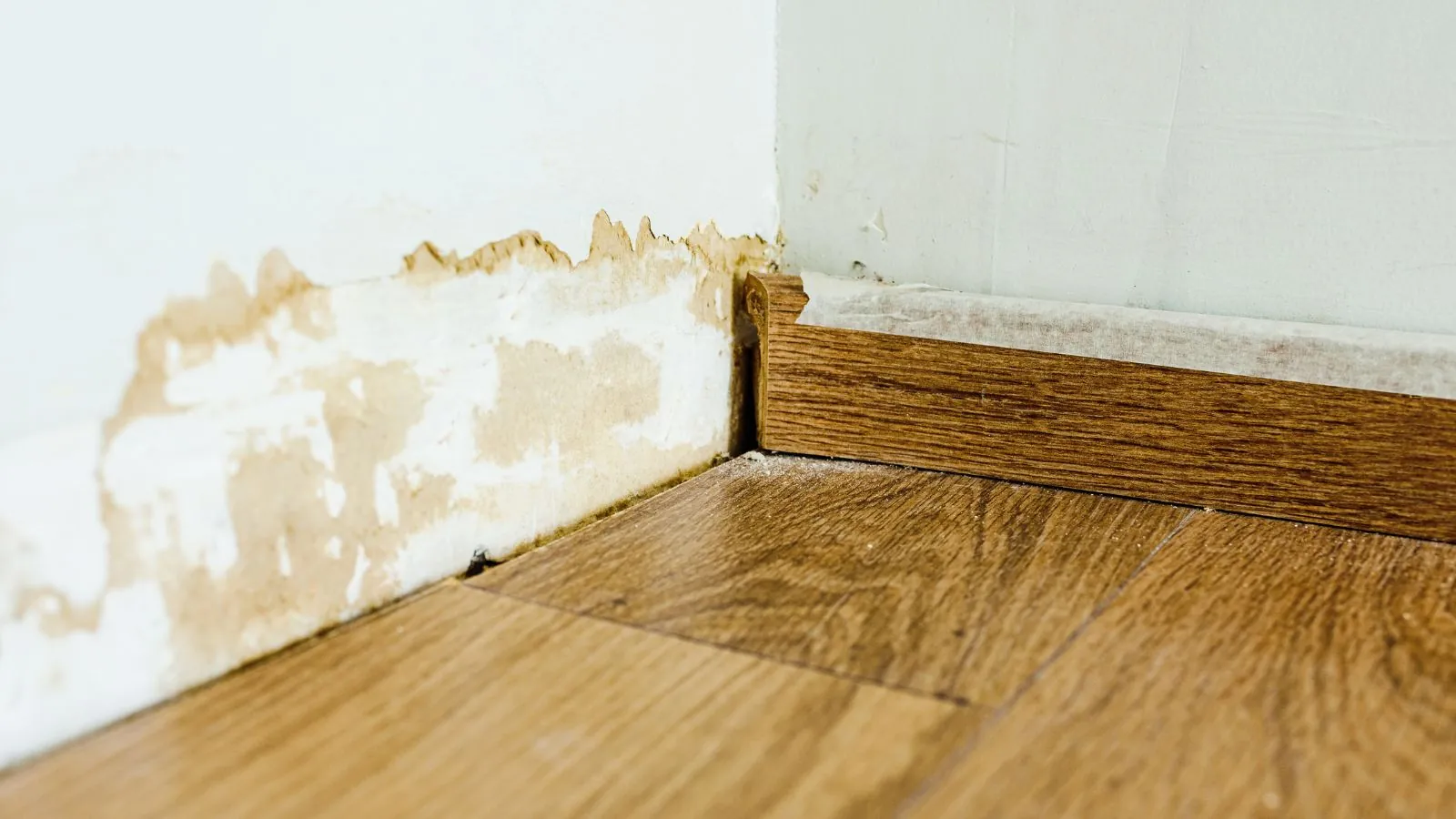
In the City of Johnstown, the city says building and demolition permits are required for all demolition, repairs, renovations, remodels and new construction. Painting and flooring are exempt. That means repairing water damage often involves a permit if it goes beyond painting and flooring, such as replacing drywall, repairing framing or reworking plumbing and electrical.
The rules can differ for other municipalities. If you live outside the city, ask your borough or township.
Who handles what in the city
The city works through an inspection agency.
| Question | Contact | Notes |
|---|---|---|
| Permit applications and questions | Laurel Municipal Inspection Agency, (814) 471-0424 | The city is a member of the agency, which provides building permit services |
| City information | City Hall, 401 Main Street, (814) 539-2504 | General questions |
| Permit forms | City website, building permit application | Applications are issued to the owner, agent or contractor |
| Larger projects | Plans stamped by a Pennsylvania registered architect or engineer | Applies to commercial and some residential projects |
Dealing with water damage right now? Call the 24/7 line.
☎ (814) 358-8169Emergency work and rebuild work
Emergency mitigation, such as extraction and drying, is usually not what people think of as a permitted repair. The rebuild is where permits come up. Ask the inspection agency whether your specific scope needs one, because the answer depends on what you replace.
A good restoration company tells you early whether it expects permits and who will pull them. See wall and drywall water damage repair for what a rebuild may include.
Who pulls the permit
The city says permits can be issued to the owner, an authorized agent or the contractor doing the work. Ask your contractor which one it will be, and who pays the fee. If the contractor expects you to pull it, find out what you must sign.
Do not start work and ask later. Unpermitted work can cause trouble with your insurer, a future sale or an inspection.
What the inspector may look at
Inspections vary with the scope. For plumbing, electrical and structural repairs, an inspector may check the work before it is covered up. Plan for that in your schedule, since closing a wall before an inspection can mean opening it again.
Keep copies of permits and approvals. They are part of the repair record that a future buyer or insurer may ask to see.
Which repairs usually trigger a permit question
The line between a cosmetic fix and a permitted repair is easy to cross without noticing. Replacing a few sheets of drywall is one thing. Rebuilding a wall, moving plumbing, replacing a panel or changing wiring is another. The more structural, electrical or plumbing work involved, the more likely the inspection agency will want to review it.
If your water loss is large enough that the rebuild touches framing, wiring or supply lines, assume you should ask before ordering materials.
How to ask the right way
Describe the work
Write down which rooms are affected and what will be replaced, such as drywall, insulation, subfloor or fixtures.
Call the agency
Phone the inspection agency and ask whether your list needs a permit and what documents they want.
Write down the answer
Note the date, the name of the person and what they said, and keep it with your repair records.
Tell the contractor
Share the answer so the contractor can plan inspections into the schedule.
Why the paperwork matters later
A permit record shows a future buyer, an appraiser or an insurer that the repair was reviewed. Without it, a good repair can still raise questions at resale. If a past owner did unpermitted work, a home inspector may flag it and a lender may ask about it.
Keep permits, inspection sign-offs, invoices and drying logs together in one folder. It takes ten minutes and can save weeks of back and forth years from now.
Plan the schedule around inspections
If an inspection is needed, the work has to stay open until the inspector has seen it. That can mean a pause between rough-in and closing the wall. Ask the contractor how the schedule handles that wait so you are not surprised by a gap.
Drying equipment should stay in place for the whole drying period, so ask how the permit steps fit around it.
Permits for Johnstown rebuilds
The City of Johnstown is a member of the Laurel Municipal Inspection Agency, which provides its building permit services. The agency can be reached at (814) 471-0424 or info@LMIAgency.org. City Hall is at 401 Main Street, and the number is (814) 539-2504.
Commercial and some residential projects need construction drawings stamped by a Pennsylvania registered architect or engineer. If your water damage affects a business, see commercial water damage restoration for how larger losses are handled, and ask the agency about stamped plans.
Outside the city
Boroughs and townships set their own rules. A borough like Nanty Glo or Seward has its own office, and an unincorporated place like Salix or Elton falls under the township and the county. Do not assume the City of Johnstown rules apply.
When in doubt, call the office and ask in plain words: I have water damage and plan to replace drywall and flooring, do I need a permit?
Standards and sources
The drying and water category terms used here come from ANSI/IICRC S500, the industry standard for professional water damage restoration. For claims, the Pennsylvania Insurance Department advises photographing damage before cleanup and keeping receipts.
Frequently asked questions
Drying equipment alone is not usually the issue. Permits matter for the repairs and rebuild. Ask the inspection agency about your scope.
According to the City of Johnstown, painting and flooring are exempt from the building permit requirement.
The city permit page we reviewed does not list a license requirement. Call the city to confirm what applies.
It can cause problems with inspections, insurance and a future sale. Ask first.
Have water damage right now? The dispatch line is open any hour.
☎ (814) 358-8169