
Days, not hours
A typical wet room takes a few days to dry with professional equipment, and large or severe losses take longer. Homeowners are often surprised. The surface can feel dry in a day, but wood, drywall and concrete hold water inside for much longer. The honest answer is that drying is finished when readings say so, not when a calendar does.
This guide explains what sets the timeline so you know what to expect.
What affects drying time
Several factors work together.
| Factor | Faster | Slower |
|---|---|---|
| Material | Drywall, carpet | Hardwood, plaster, concrete |
| Water amount and category | Small clean spill | Large or contaminated loss |
| Time before drying starts | Same day | Several days |
| Air temperature and humidity | Warm and dry | Cool and damp |
| Equipment | Right amount, well placed | Too little or poorly placed |
Dealing with water damage right now? Call the 24/7 line.
☎ (814) 358-8169Typical ranges, with caution
Many wet rooms reach their drying goal in three to five days, but this is a general pattern, not a promise. Thick framing, a finished basement or a house shut up in winter can add days. Concrete can take much longer than wood. The drying goal is set in the scope, and readings are taken at each visit.
A drying plan for hardwood or plaster is slower and more careful, because drying too fast can cause damage. You can read about the process on the structural drying page.
How you know it is dry
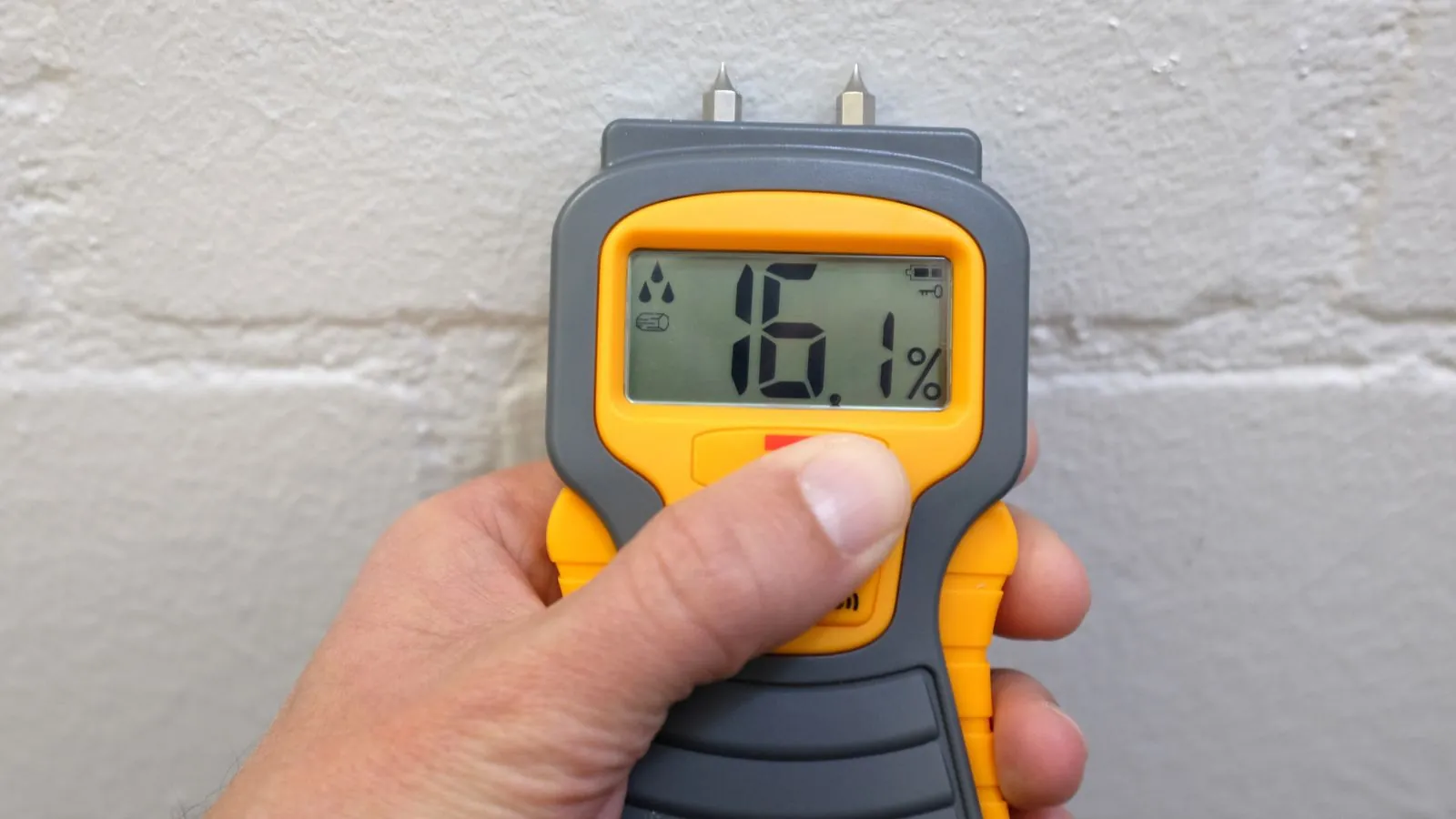
The crew takes readings on affected materials and compares them to a dry reference, often an unaffected area of the same material in your house. When readings match, drying is done. A written log of these readings is your proof.
If a crew says it is dry because it feels dry, ask for the readings. Closing walls too early traps moisture and invites trouble later.
Why equipment sits so long
Equipment is expensive and companies do not leave it running for fun. Air movers speed evaporation from surfaces, and dehumidifiers remove the moisture from the air so it does not settle back into materials. If either is removed too early, the water goes back into the walls.
Ask the crew when they will check progress and how they decide to remove equipment. A good plan has a schedule.
What a drying visit looks like
On day one the crew removes standing water, sets air movers and dehumidifiers and records starting readings. On later visits they check readings, adjust equipment and move air movers to wetter spots. A typical job has several short visits over a few days.
You should be told when the next visit is and what number they are aiming for. If nobody comes back for several days, ask why.
Drying by material, in general terms
These are general patterns and not promises.
| Material | How it behaves | What it means for you |
|---|---|---|
| Carpet | Dries quickly on top, pad holds water | Pad is often replaced |
| Drywall | Wicks water upward | Wet sections may be cut out |
| Hardwood | Swells and can cup | Slow, careful drying, results vary |
| Concrete | Releases water very slowly | Longest part of many basement jobs |
| Insulation | Holds water and loses value when wet | Often removed |
Signs the job is not finished
A room that feels dry but still smells damp, paint that bubbles, baseboards that gap or a floor that keeps cupping are signs that moisture is still in the structure. Tell the crew right away so they can recheck readings.
If equipment is picked up and you have no final readings, ask for them before repairs begin. A short call now is better than opening a finished wall later.
Why a second visit matters
Readings on day one tell the crew where the water went. Readings on day two or three tell them whether the plan is working. Wall cavities and subfloors often need equipment moved or added. A crew that only visits once is guessing.
Ask for the date of the next reading before the crew leaves.
Johnstown weather and drying
Johnstown has had flooding events, including July 1977 when nearly 12 inches of rain fell in 24 hours. After a heavy rain, the air stays damp and drying slows. The National Weather Service posts forecasts that show humidity and rain, and it is worth checking them when planning drying and repairs.
Homes in higher or cooler places near Johnstown, such as Sidman, can dry slower in cold weather. Ask the crew how they plan to deal with it. For rooms with carpet, see carpet water damage restoration.
Homes in Seward are lower and may behave differently.
Can you speed it up?
You can help. Keep doors and windows as the crew directs, keep the thermostat at a normal temperature, remove belongings from wet rooms and do not turn off equipment. Do not open walls on your own or add heaters that were not part of the plan.
Fast extraction is the biggest factor. See water extraction for how the first hours work, because the more water that is removed early, the less there is to dry.
Standards and sources
The drying and water category terms used here come from ANSI/IICRC S500, the industry standard for professional water damage restoration. For claims, the Pennsylvania Insurance Department advises photographing damage before cleanup and keeping receipts.
Frequently asked questions
The surface may feel dry in a day, but the inside and the framing behind it usually take longer. Readings tell the truth.
Cool, damp conditions slow evaporation. Crews adjust equipment and temperatures to compensate.
For a small clean-water spill, yes. For anything bigger, consumer fans cannot dry a building and you will not have readings.
Evaporating water raises humidity until dehumidifiers remove it. That is a sign the process is working.
Have water damage right now? The dispatch line is open any hour.
☎ (814) 358-8169