
A smell means something is still wet
A musty smell after water damage is almost always a sign that moisture remains somewhere. The odor comes from damp materials that are slowly breaking down, and it can linger long after the surface feels dry. Candles, sprays and air fresheners cover the smell for a while, but they do nothing about the cause.
The fix is to find the damp spot and dry it. This guide explains where to look and what works. Health questions about air quality belong to your physician, and this page does not diagnose anything.
Where the smell usually hides
Check the places water travels.
| Place | Why it holds moisture | What to do |
|---|---|---|
| Under carpet and pad | Pad acts like a sponge | Lift a corner and check, replace if wet |
| Inside wall cavities | Insulation holds water | Moisture meter, open the wall if needed |
| Behind baseboards and cabinets | Little airflow | Remove a section to check |
| Basement corners | Concrete holds moisture | Dehumidify and check for seepage |
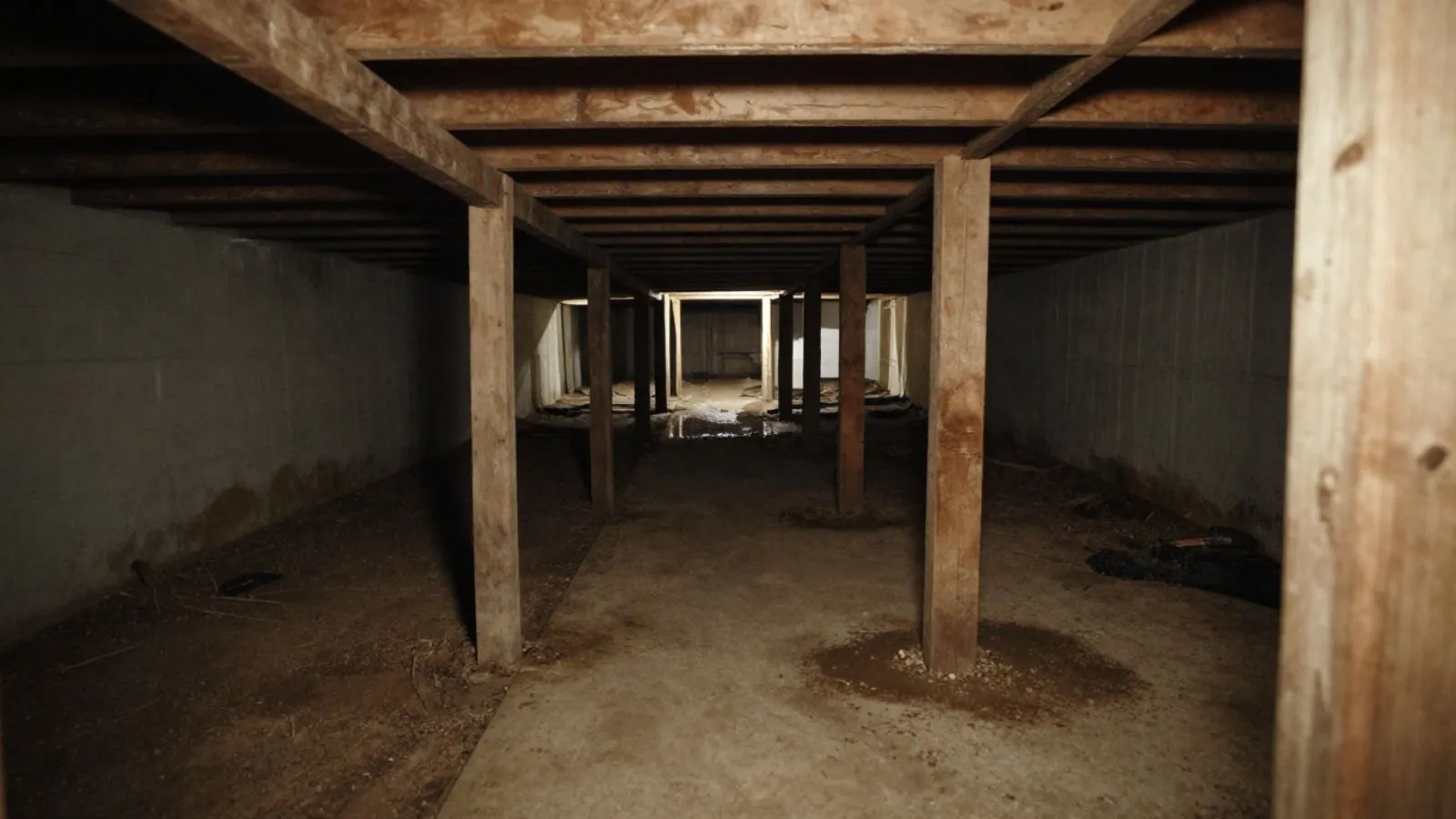
| Crawl space | Damp soil and insulation | See crawl space water damage |
Dealing with water damage right now? Call the 24/7 line.
☎ (814) 358-8169Find the source first
Smell is a good detector. Walk through the house and note where it is strongest. Check closets, the basement, around sinks and under flooring. A moisture meter, which many hardware stores rent or sell, shows damp drywall and wood that look fine.
A thermal camera can show cool, wet areas behind walls. If the smell is strong and you cannot find the cause, a restoration company can map the moisture for you.
Dry it, do not mask it
Once the damp area is found, fix the cause, whether a leak, a drainage issue or humidity, and then dry the area thoroughly. Air movers and dehumidifiers speed that up. Materials that stayed wet for days, such as pad, insulation and drywall, are usually removed.
The drying process is explained on the structural drying page. A smell that returns after drying means something is still wet, so check again.
What not to do
Do not paint over a damp wall or seal damp concrete without drying it. Do not run a heater alone in a room that is damp, since it can drive moisture deeper into walls. Do not use bleach as a cure-all on porous materials.
Do not ignore a persistent smell. If visible mold growth appears, ask your inspector about a mold specialist. We do not offer mold remediation, and we would rather tell you so than imply it.
Smell versus visible mold
A musty smell can show up before anything is visible. Mold and bacteria need moisture, so the smell points to dampness even when walls look fine. Dark spots, fuzzy growth or peeling paint are visible signs that moisture has been there a while.
Do not scrub visible mold with dry brushing, since that spreads spores. For larger patches, ask your inspector about a specialist. Questions about health symptoms belong with your physician.
A simple search routine
Start with your nose
Walk the house and note where the smell is strongest, including closets and corners.
Check the plumbing walls
Look at walls around sinks, toilets, tubs and the washer for stains or soft spots.
Read the meter
Use a moisture meter on baseboards and the lower part of walls.
Look at the exterior
Check gutters, downspouts and grading for water that heads toward the house.
When to call a professional
If you cannot find the source, readings stay high or the smell returns after drying, call for an assessment. A thermal camera and a full moisture map can find a hidden leak without cutting random holes in walls.
Be wary of anyone who sells a deodorizing treatment as the whole answer. The goal is dry materials, and the smell follows.
Odor treatments after drying
Once the structure is dry, some odors remain in fabrics, ducts or porous surfaces. Cleaning and air scrubbing can help at that point. Applying them earlier just covers the smell while moisture continues to cause it.
If the heating and cooling ducts were exposed to water, ask a qualified duct cleaner or your restoration company how to handle them.
Damp houses in the Johnstown area
Older Johnstown basements and stone foundations can hold moisture, especially after heavy rain. Check your sump pump and gutters, and use a dehumidifier in the basement during humid periods. The National Weather Service posts forecasts that show wet spells, which are the times to watch.
If you live in a nearby community such as Salix, the same checks apply. For a smell that comes from damp carpet, see carpet water damage restoration.
The same checks apply in Elton.
Keeping humidity down afterward
Once the structure is dry, keep indoor humidity moderate. A dehumidifier in the basement, bathroom fans that vent outside and gutters that carry water away from the house all help. A hygrometer costs little and shows whether your humidity is rising.
If the smell is in a damp basement, see basement water damage cleanup for the causes that restoration can and cannot solve.
Standards and sources
The drying and water category terms used here come from ANSI/IICRC S500, the industry standard for professional water damage restoration. For claims, the Pennsylvania Insurance Department advises photographing damage before cleanup and keeping receipts.
Frequently asked questions
Because something is still damp, such as pad, insulation or wood. The smell fades when the material is dried or removed.
It helps once the source is fixed and the structure is drying. It will not fix a continuing leak.
Surface cleaning does not reach damp materials inside walls and floors. Dry them first.
If the smell comes with visible water, a sagging ceiling or sewage odor, treat it as urgent and call.
Have water damage right now? The dispatch line is open any hour.
☎ (814) 358-8169