
A house has a water calendar
Water damage follows seasons. Winter threatens pipes, spring brings melt and saturated ground, summer brings storms and air conditioning leaks and fall brings clogged gutters. A short check each season catches many problems before they become claims.
This guide is a simple calendar for Johnstown homeowners. None of it takes long, and all of it is cheaper than a repair.
The seasonal checklist
Use it as a recurring reminder.
| Season | Risk | What to check |
|---|---|---|
| Winter | Frozen and split pipes | Insulate exposed lines, know your main valve, keep heat on |
| Spring | Melt and saturated ground | Sump pump, basement walls, grading |
| Summer | Storms and AC condensate | Roof, flashing, drain line and pan |
| Fall | Clogged gutters and downspouts | Clear them and extend downspouts |
Dealing with water damage right now? Call the 24/7 line.
☎ (814) 358-8169Winter: pipes and heat
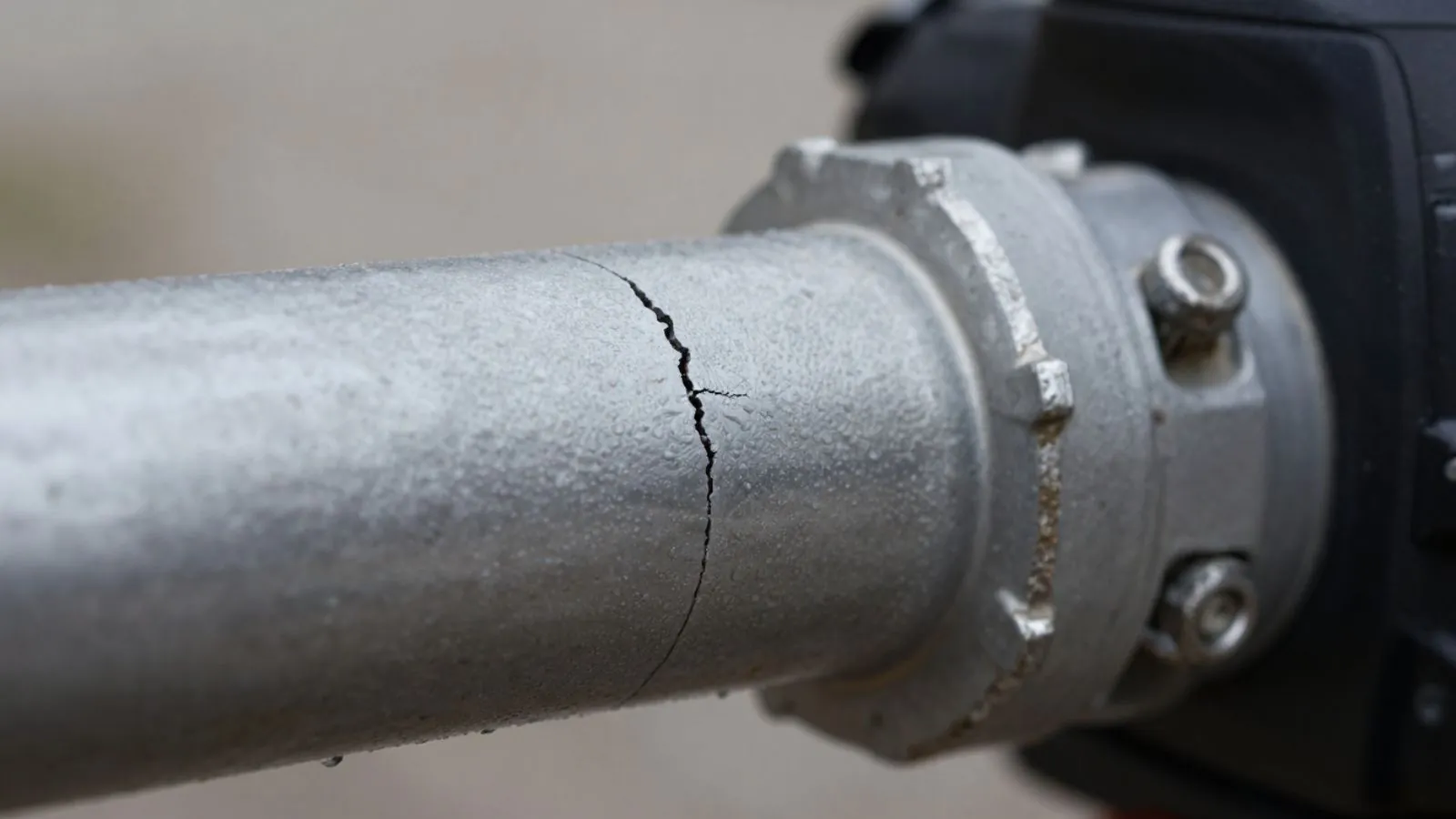
Water expands as it freezes and splits pipes, often at joints. Insulate lines in exterior walls, crawl spaces and garages. During a hard freeze, let a faucet drip and open cabinet doors under sinks on exterior walls. Keep the heat on, even if you travel.
If a pipe splits, damage often shows when it thaws. See frozen pipe water damage for what to do.
Spring: melt and groundwater
Spring thaws and rain saturate the ground, and water finds weak spots in basement walls and window wells. Test the sump pump, check the discharge line and look at the basement after heavy rain. Look for new stains and mineral crust on the walls.
Grading matters. Soil next to the foundation should slope away from the house, and downspouts should discharge several feet away.
Summer: storms and air conditioning
Summer storms test your roof and windows. Walk the attic after a storm and look for stains. Air conditioners produce condensate, and the drain line can clog. Flush it each spring and add a float switch if you can.
A leak from an HVAC unit can be slow and hidden. See AC leak water damage for how to spot it.
A note on ice dams and roof edges
In winter, snow on a roof can melt from heat escaping through the attic and then refreeze at the cold edge. This can back water up under shingles and into the ceiling. Good attic insulation and ventilation reduce the problem.
If you see water stains on upstairs ceilings in cold weather, check the attic and call a roofer. See ceiling water damage repair for what to do about the ceiling itself.
Spring and fall appliance checks
Seasonal change is a good reminder to check washing machine hoses, the water heater and the dishwasher supply line. Look for drips, rust and bulging hoses. Replace hoses that look worn.
Water heaters older than ten years deserve a close look. Sediment buildup and a rusted tank are signs it is nearing the end of its life.
A one page calendar to print
Put four dates in your phone: first week of November for pipes and gutters, April for sump pump and basement checks, July for the roof and air conditioner and October for gutters again. Each reminder can link to a short list of what to look at.
Ten minutes per season is all it takes, and it turns surprise losses into small repairs.
Keep a simple home water log
A notebook or phone note with the date of each check, what you saw and what you fixed makes problems easy to spot. If the same stain returns each spring, it points to a recurring source. It also gives your insurer and future buyers a clear record.
Add the age of your water heater, the roof and the sump pump so you know what is due for replacement.
Johnstown's flood calendar
Johnstown's major floods fell in different seasons. The South Fork Dam failed on May 31, 1889. The St. Patrick's Day flood struck in March 1936, and the July 1977 flood began on the night of July 19. Together they show that serious water events can come in spring and summer, so seasonal checks are not only a winter matter.
Check the FEMA flood map for your address, and ask your insurer about flood cover before the wet season. If you live in Salix or another nearby community, the same seasons apply. For a flooded lower level, see basement water damage cleanup.
The same calendar applies in Nanty Glo.
Fall: gutters and prep
Leaves are the problem in fall. A clogged gutter overflows against the siding and foundation. Clean gutters after leaves drop, check the roof and shut off outdoor spigots. Drain hoses and shut off exterior faucets before the first freeze.
Fall is also the time to check the furnace area and water heater, and to review your insurance policy before winter.
Standards and sources
The drying and water category terms used here come from ANSI/IICRC S500, the industry standard for professional water damage restoration. For claims, the Pennsylvania Insurance Department advises photographing damage before cleanup and keeping receipts.
Frequently asked questions
We have no local figure to give. Each season has its own risk, so a check in each one is the safest plan.
Pipes in exterior walls and unheated spaces can freeze in a hard cold snap. The National Weather Service posts forecasts, so watch for freezing nights.
If you are gone for a long time, shutting off the main and draining the lines helps. Keep the heat on at a safe temperature too.
A look from the ground or an inspection by a roofer once a year, and after big storms, is a good habit.
Have water damage right now? The dispatch line is open any hour.
☎ (814) 358-8169