
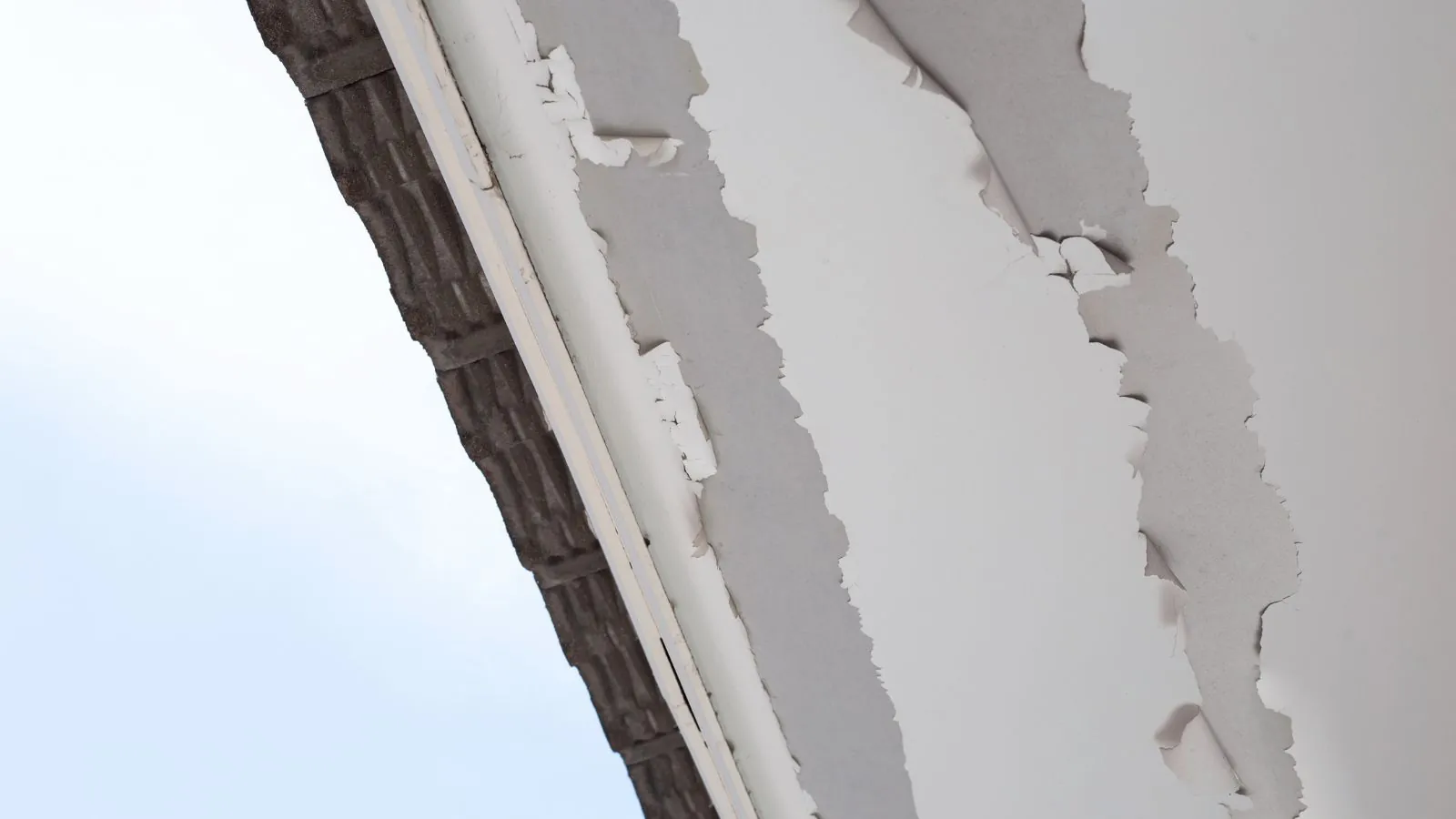
Why water damage complicates a sale
Buyers and their inspectors look for water. Stains, a musty smell or a patched ceiling raise questions, and an undisclosed problem raises more. If your Johnstown home has had water damage, the best path is usually to deal with it openly, document the repair and give the buyer a record to read.
This guide covers general basics, not legal advice. Disclosure rules are set by law, so talk to your real estate agent or an attorney about your specific situation.
Disclosure: the idea in plain terms
Sellers in Pennsylvania are generally expected to disclose known material defects, including water problems, on a standard form. Exact duties depend on the type of sale and the property, so we will not summarize the statute. Ask your agent or attorney what applies.
The practical advice is simpler. Do not hide a past leak. Do not paint over a stain you have not investigated. Keep the repair paperwork together, because a buyer who sees records is a buyer who worries less.
Dealing with water damage right now? Call the 24/7 line.
☎ (814) 358-8169What helps, what hurts
Buyers respond to evidence.
| Situation | What helps the sale | What hurts |
|---|---|---|
| A past leak that was fixed | Invoice, moisture readings and photos | No records and a fresh coat of paint |
| A wet basement after storms | Documented sump pump and drainage work | Hiding the history |
| Visible staining | A repair and a clear explanation | Hoping nobody notices |
| Flood-zone address | Elevation or flood insurance information | Surprising the lender |
Fix, document, then list
If damage is recent, get it dried and repaired before you list. Wet drywall and insulation left in place will show up in an inspection and may kill a deal. The drying records from a restoration company, including moisture readings and a final dry confirmation, are exactly what a buyer wants to see.
Our page on structural drying and dehumidification explains what a drying log looks like. Ask for a copy of yours and put it in the sale folder.
What buyers and inspectors look for
Inspectors look for stains on ceilings and walls, soft flooring, efflorescence on basement walls, rusty fasteners, musty odors and signs of repaired drywall. They may use a moisture meter. A clean record answers many of these questions, and an unknown history makes buyers assume the worst.
If your home had a sewer backup or a flood, tell your agent early. Lenders sometimes require flood insurance for addresses in a mapped flood zone, and that cost matters to a buyer. See what flood cleanup involves on the flood damage cleanup page.
Fix, price or disclose
Sellers with past water damage have three broad choices. They can repair it and keep the paperwork, they can lower the price and sell as is, or they can do both. Hiding it is the one choice that tends to backfire.
Pennsylvania has a seller disclosure form that asks about known water problems. Talk to your real estate agent or attorney about what applies to your sale. This page is general information and not legal advice.
Paperwork buyers like to see
Keep the invoices, the drying logs, the permit records and any insurance claim documents. A buyer who can read a clear story of what happened and how it was fixed is more likely to trust the house. A missing record leaves room for doubt.
If the repair was done years ago and the area has stayed dry, say so and offer the documents.
Prepare for the inspection
Buyers usually hire an inspector who looks for stains, moisture and signs of past repairs. Fixing known leaks and drying damp areas beforehand avoids last minute surprises. Fresh paint over a stain without a repair draws suspicion.
Be ready to answer questions calmly and show your records. Honesty protects your sale.
Selling in a river city
Johnstown has a long record of flooding, with major events in 1889, 1936 and 1977, so buyers here know to ask. The FEMA Flood Map Service Center shows whether an address is in a mapped flood zone, and your agent can pull it in minutes. A buyer who has seen the map and your records is less likely to be surprised later.
For past repairs, ask the Laurel Municipal Inspection Agency at (814) 471-0424 what permit records exist for your address. If you are selling in a nearby town such as Nanty Glo, ask the borough instead, since each municipality keeps its own files.
Sellers in Salix should check with the township rather than a borough.
Should you sell as is?
Some owners sell as is, with a price adjustment, rather than repair. That can work, but buyers will still ask what the damage is and how far it goes. A written scope from a restoration company, even without repairs, gives both sides something factual to discuss.
Whichever way you go, do not make claims you cannot support. Saying the basement has never leaked when it has is a bigger problem than the leak.
Standards and sources
The drying and water category terms used here come from ANSI/IICRC S500, the industry standard for professional water damage restoration. For claims, the Pennsylvania Insurance Department advises photographing damage before cleanup and keeping receipts.
Frequently asked questions
Disclosure rules turn on what you know about material defects and what the form asks. Ask your agent or attorney. Keeping the repair records helps in any case.
Not necessarily. Buyers walk away from unknowns more often than from fixed, documented problems.
You can repaint after drying and repair, but covering a stain without fixing the cause is a bad idea and can look like concealment.
It can. Lenders may require flood insurance, and buyers usually want to see the FEMA flood map for the address. Ask your agent.
Have water damage right now? The dispatch line is open any hour.
☎ (814) 358-8169