
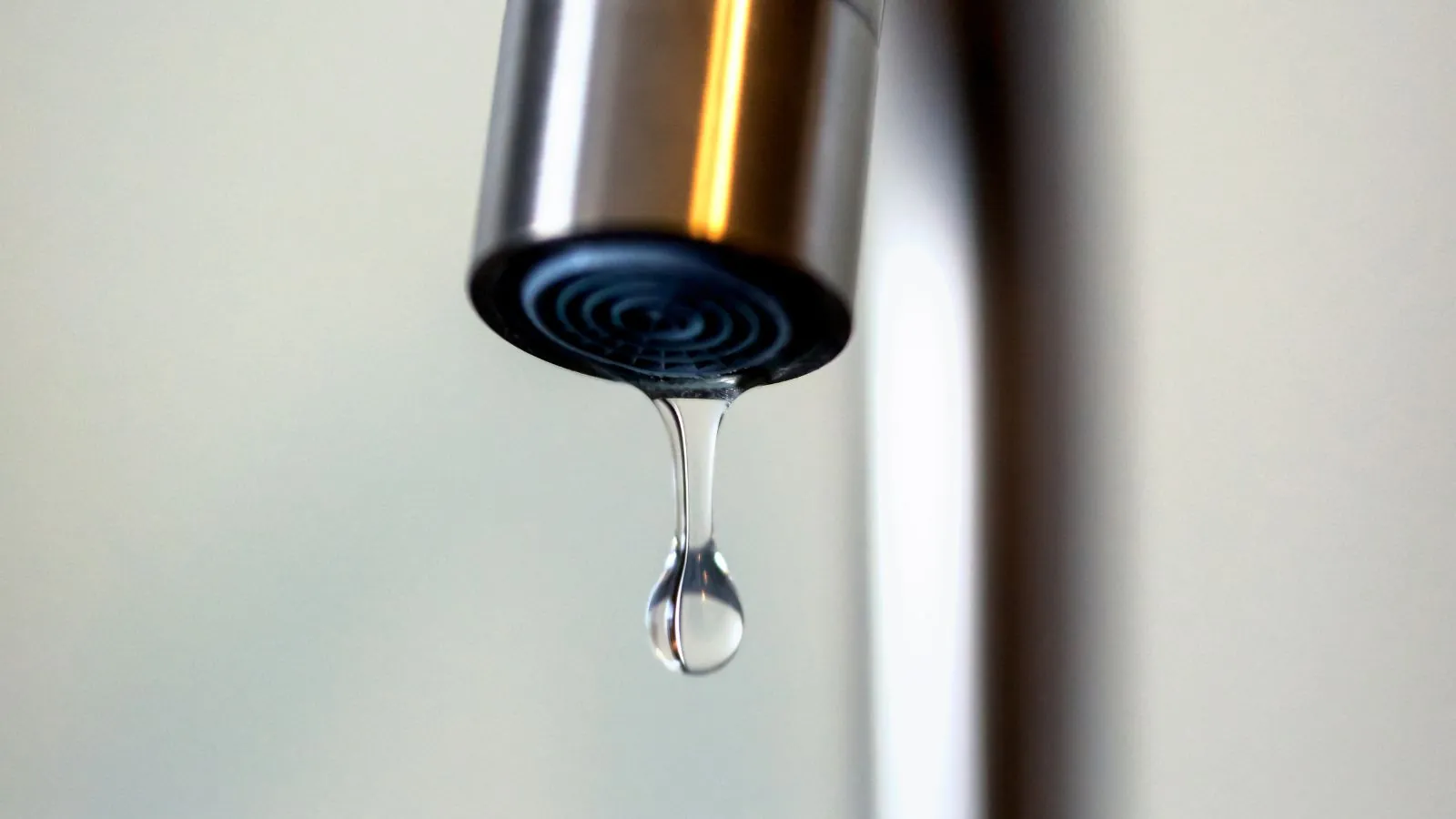
A higher bill is often the first clue
People often discover a hidden leak when the water bill arrives. A jump with no change in how you use water suggests something is wrong. It might be a running toilet, a leaking pipe, a failed fixture or a line under the floor. It can also be a billing or meter issue, so check before you assume.
Do not ignore a spike. A leak that is large enough to move a bill can also be soaking a wall or floor you cannot see.
Read your meter to confirm
Turn off every tap and appliance that uses water, including ice makers and irrigation. Find the water meter and look at the small flow indicator or the dial. If it moves while nothing is on, water is escaping somewhere. Write down the reading, wait an hour with no water use and read again. A change confirms a leak.
If the meter does not move, the extra water may have been used, or the bill may include other charges. Look at the bill carefully, including the billing period and the sewer charges.
Dealing with water damage right now? Call the 24/7 line.
☎ (814) 358-8169Common hidden leak sources
Start with the easy ones.
| Source | How to check | What it can cause |
|---|---|---|
| Running toilet | Add food coloring to the tank and wait for color in the bowl | High use with no visible damage |
| Dripping faucet or fixture | Look and listen under sinks | Cabinet and floor damage |
| Water heater | Look at the base and pipes for moisture | See water heater leak cleanup |
| Outdoor spigot or irrigation | Check for soggy ground or low pressure | Foundation and yard issues |
| Line under the floor or slab | Meter moves, no visible water | See slab leak water damage |
What if the leak is inside a wall?
A leak in a wall often announces itself through a stain, a warm spot, a musty smell or the sound of running water. A moisture meter and thermal camera can find where it is without opening the wall. Once the pipe is fixed, the wall should be dried before it is closed up.
If there is water damage, the restoration process starts with moisture mapping and drying. Ask your insurer about coverage, since leaks that went on for months are treated differently from sudden failures.
A ten minute leak test
Turn everything off
Stop the washer, dishwasher and ice maker and make sure nobody is using water.
Read the meter
Write down the meter reading and look at the small dial or leak indicator.
Wait and look again
Wait thirty minutes with no water use and read it again.
Compare
If the number moved or the indicator spins, water is going somewhere.
Common culprits
A running toilet is the most common cause of a high bill. Add a few drops of food coloring to the tank and see if color shows up in the bowl without flushing. Dripping faucets, a stuck irrigation valve and a failing water heater relief valve are other usual suspects.
A leak in the line between the meter and the house can run for weeks without showing indoors. Wet spots in the yard or a sound of running water are clues.
Talk to the provider and your insurer
Ask your water provider whether it offers any adjustment after a leak is repaired. Policies differ, so ask what documents they want, such as a plumber invoice. Keep the bill and the repair record together.
If the leak caused damage inside the house, call your insurer and a restoration company about the damage. See burst pipe water damage for what to do when a line has failed.
Prevent the next spike
Check toilet flappers once a year, replace old hoses and know where the main valve is. Some homeowners add a smart shutoff valve or a leak sensor near the water heater and washer. These cost little compared with a flooded floor.
Compare each bill with the previous year so you notice a gradual rise early.
Water and sewer service in Johnstown
The Greater Johnstown Water Authority manages the sanitary sewer system in the City of Johnstown and can be reached at 814-533-4300. That is the number to call about your meter, your account and questions on how sewer charges appear on your bill.
If you live outside the city, in a place like Elton, your water may come from a different provider or a private well, so check your bill to find out who to call. For a leak that has already damaged the floor, see hardwood floor water damage repair.
Customers in Salix should check which provider sends their bill.
Who to call
Call your water provider for questions about the meter and the bill. Call a plumber to find and fix the leak. Call a restoration company if water has damaged the structure or finishes. Keep the old bills, since they show when the usage started to rise.
Ask the water provider whether it offers any adjustment for leaks, since policies vary. Do not assume one exists, and ask what documentation is needed.
Standards and sources
The drying and water category terms used here come from ANSI/IICRC S500, the industry standard for professional water damage restoration. For claims, the Pennsylvania Insurance Department advises photographing damage before cleanup and keeping receipts.
Frequently asked questions
There is no fixed number. Compare to the same season last year and look for a change that does not match your use.
You can narrow it down with the meter test and by checking toilets and fixtures. A plumber has tools to pinpoint hidden leaks.
Usually not by itself. Coverage may apply to damage from a sudden leak, but not to the extra water charge. Ask your insurer.
Call the Greater Johnstown Water Authority at 814-533-4300 and ask about your meter and account.
Have water damage right now? The dispatch line is open any hour.
☎ (814) 358-8169